

AI’s Coming for Wall Street Jobs
AI Job Cuts on Wall Street
AI Replacing Banking & Back-Office Roles
Impact of AI on Wealth Management
AI Revenue Growth for Financial Firms
How Finance Employees Can Stay Relevant
The Future of AI in Wealth Management
Afterword: The AI Behind This Article
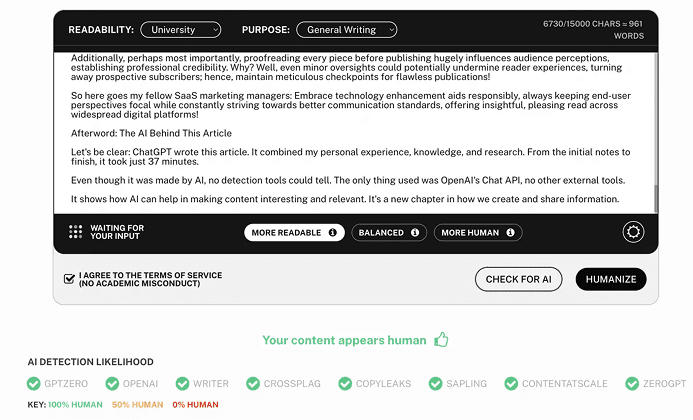
Let's be clear: ChatGPT wrote this article and generated the hero image. It combined my personal experience, knowledge, and research. From the initial notes to finish, it took just 37 minutes.
Even though it was made by AI, no detection tools could tell. The only thing used was OpenAI's Chat API, no other external tools.
It shows how AI can help in making content interesting and relevant. It's a new chapter in how we create and share information.
Like what you see? Share with a friend.


Tamas Hám-Szabó
Founder of SAAS First - the Best AI and Data-Driven Customer Engagement Tool
With 11 years in SaaS, I've built MillionVerifier and SAAS First. Passionate about SaaS, data, and AI. Let's connect if you share the same drive for success!
Share with your community!
Tamas Hám-Szabó
Founder of SAAS First - the Best AI and Data-Driven Customer Engagement Tool
With 11 years in SaaS, I've built MillionVerifier and SAAS First. Passionate about SaaS, data, and AI. Let's connect if you share the same drive for success!
Like what you see? Share with a friend.
Tamas Hám-Szabó
Founder of SAAS First - the Best AI and Data-Driven Customer Engagement Tool
With 11 years in SaaS, I've built MillionVerifier and SAAS First. Passionate about SaaS, data, and AI. Let's connect if you share the same drive for success!
Like what you see? Share with a friend.
In this article
Related Articles

How to Write Articles with AI? Include Your Unique Perspective

How to Write Articles with AI? Include Your Unique Perspective

How to Write Unique Articles with AI? Conduct Interviews
AI’s Coming for Wall Street Jobs
AI Job Cuts on Wall Street
AI Replacing Banking & Back-Office Roles
Impact of AI on Wealth Management
AI Revenue Growth for Financial Firms
How Finance Employees Can Stay Relevant
The Future of AI in Wealth Management
Afterword: The AI Behind This Article
Let's be clear: ChatGPT wrote this article and generated the hero image. It combined my personal experience, knowledge, and research. From the initial notes to finish, it took just 37 minutes.
Even though it was made by AI, no detection tools could tell. The only thing used was OpenAI's Chat API, no other external tools.
It shows how AI can help in making content interesting and relevant. It's a new chapter in how we create and share information.
Tamas Hám-Szabó
Founder of SAAS First - the Best AI and Data-Driven Customer Engagement Tool
With 11 years in SaaS, I've built MillionVerifier and SAAS First. Passionate about SaaS, data, and AI. Let's connect if you share the same drive for success!
Share with your community!
Tamas Hám-Szabó
Founder of SAAS First - the Best AI and Data-Driven Customer Engagement Tool
With 11 years in SaaS, I've built MillionVerifier and SAAS First. Passionate about SaaS, data, and AI. Let's connect if you share the same drive for success!
Like what you see? Share with a friend.
Tamas Hám-Szabó
Founder of SAAS First - the Best AI and Data-Driven Customer Engagement Tool
With 11 years in SaaS, I've built MillionVerifier and SAAS First. Passionate about SaaS, data, and AI. Let's connect if you share the same drive for success!
Like what you see? Share with a friend.
In this article
Related Articles
How to Write Articles with AI? Include Your Unique Perspective
How to Write Articles with AI? Include Your Unique Perspective
How to Write Unique Articles with AI? Conduct Interviews
AI’s Coming for Wall Street Jobs
AI Job Cuts on Wall Street
AI Replacing Banking & Back-Office Roles
Impact of AI on Wealth Management
AI Revenue Growth for Financial Firms
How Finance Employees Can Stay Relevant
The Future of AI in Wealth Management
Afterword: The AI Behind This Article
Let's be clear: ChatGPT wrote this article and generated the hero image. It combined my personal experience, knowledge, and research. From the initial notes to finish, it took just 37 minutes.
Even though it was made by AI, no detection tools could tell. The only thing used was OpenAI's Chat API, no other external tools.
It shows how AI can help in making content interesting and relevant. It's a new chapter in how we create and share information.
Tamas Hám-Szabó
Founder of SAAS First - the Best AI and Data-Driven Customer Engagement Tool
With 11 years in SaaS, I've built MillionVerifier and SAAS First. Passionate about SaaS, data, and AI. Let's connect if you share the same drive for success!
Share with your community!
Tamas Hám-Szabó
Founder of SAAS First - the Best AI and Data-Driven Customer Engagement Tool
With 11 years in SaaS, I've built MillionVerifier and SAAS First. Passionate about SaaS, data, and AI. Let's connect if you share the same drive for success!
Like what you see? Share with a friend.
Tamas Hám-Szabó
Founder of SAAS First - the Best AI and Data-Driven Customer Engagement Tool
With 11 years in SaaS, I've built MillionVerifier and SAAS First. Passionate about SaaS, data, and AI. Let's connect if you share the same drive for success!
Like what you see? Share with a friend.
In this article
Related Articles
How to Write Articles with AI? Include Your Unique Perspective
How to Write Articles with AI? Include Your Unique Perspective
How to Write Unique Articles with AI? Conduct Interviews

Join the REAP Pro Waitlist
Unlock Early Access & Get A Free REAP Property Report
Join the REAP Pro Waitlist
Unlock Early Access & Get A Free REAP Property Report
Join the REAP Pro
Waitlist
Unlock Early Access And
Get A Free REAP Property Report